The images above were
generated by Yuanbao AI.
耶 yē is used in the transliteration of 耶稣 (Yēsū— "Jesus").

The Characters 耶稣
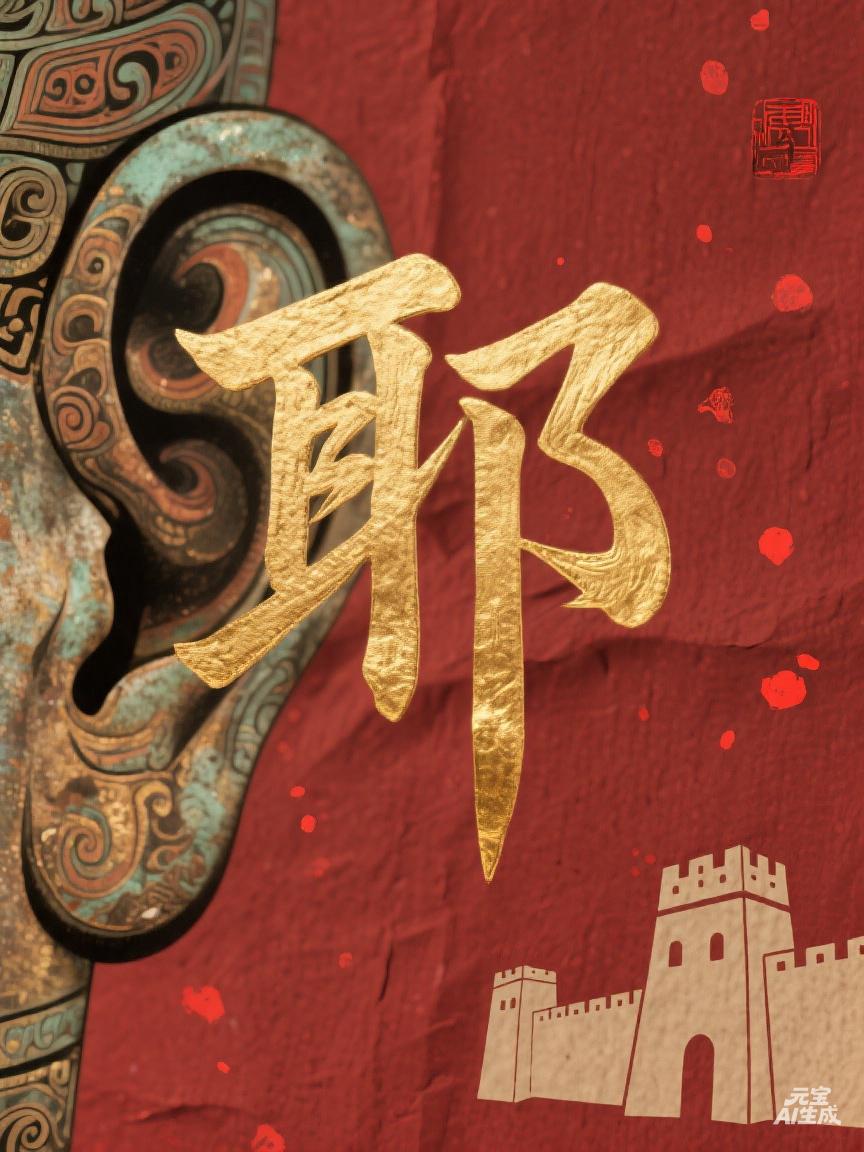

耶 is a left-right structured
character.
Left component: 耳 (ěr) — meaning "ear."
Right component: 阝 (in this form, a variant
of 邑 yì) — originally meaning "city" or "settlement."
In historical context, 阝 on the right side of
a character often relates to a place, region, or sometimes sounds in
phonetic components.
Radical: The radical (部首) is
耳 (ear), as the left part usually indicates the radical.
One can also think of it as "ear (耳) in the
city (阝).
稣 (sū) is most commonly used in the word 耶稣 (Yēsū), the Chinese transliteration for "Jesus.".
Structure: Left-right structure.
稣 (sū) is most commonly used in the word 耶稣 (Yēsū), the Chinese transliteration for "Jesus.".
Structure: Left-right structure.
Left component: 鱼 (yú) — meaning "fish."
Right component: 禾 (hé) — meaning "grain" or
"cereal plant."
Radical: The radical is 鱼 (fish), as the left
part usually indicates the radical.
稣 can be thought of as "fish (鱼) and grain (禾)" — in the biblical context, fish and bread/grains are associated with Jesus' miracles (feeding the multitude with loaves and fish).
Test your Chinese by visiting the LINK HERE
稣 can be thought of as "fish (鱼) and grain (禾)" — in the biblical context, fish and bread/grains are associated with Jesus' miracles (feeding the multitude with loaves and fish).
Test your Chinese by visiting the LINK HERE
这是杨丕源第二次到访台湾。他此行的目的是前往阿里山徒步旅行。阿里山位于台湾中南部的嘉义县东
部,坐落在中央山脉西麓,大致介于台北与高雄之间的南段。
The Character 耶
The Character 稣
公元1582年,中国
Year 1582 CE in China
- DeepSeek发布
- DeepSeek was launched
如需查看同一年内的更多活动
请点击此处
To view more events from the same year,
CLICK HERE.


