
Route: Xi'an (Chang'an) → Lanzhou
Geography: Follows the Wei River Valley and crosses the Loess Plateau. Purpose: To get from the political center of China to the gateway of the Western Regions.
However, 杨丕源 Yang Piyuan flew from Xi'an to Lanzhou.
Geography: Follows the Wei River Valley and crosses the Loess Plateau. Purpose: To get from the political center of China to the gateway of the Western Regions.
However, 杨丕源 Yang Piyuan flew from Xi'an to Lanzhou.
Early in the morning of the arrival day (in Xi'an),
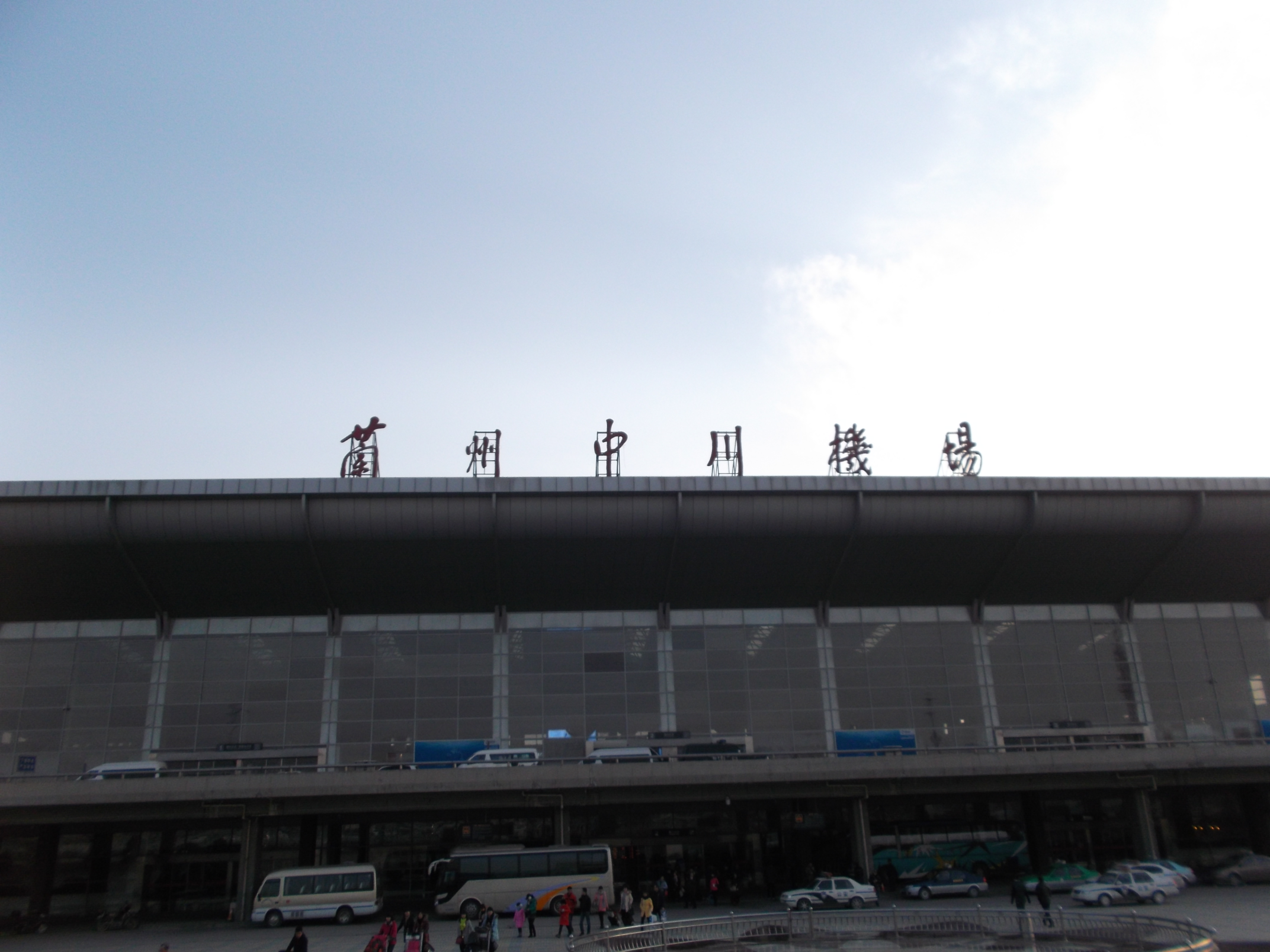
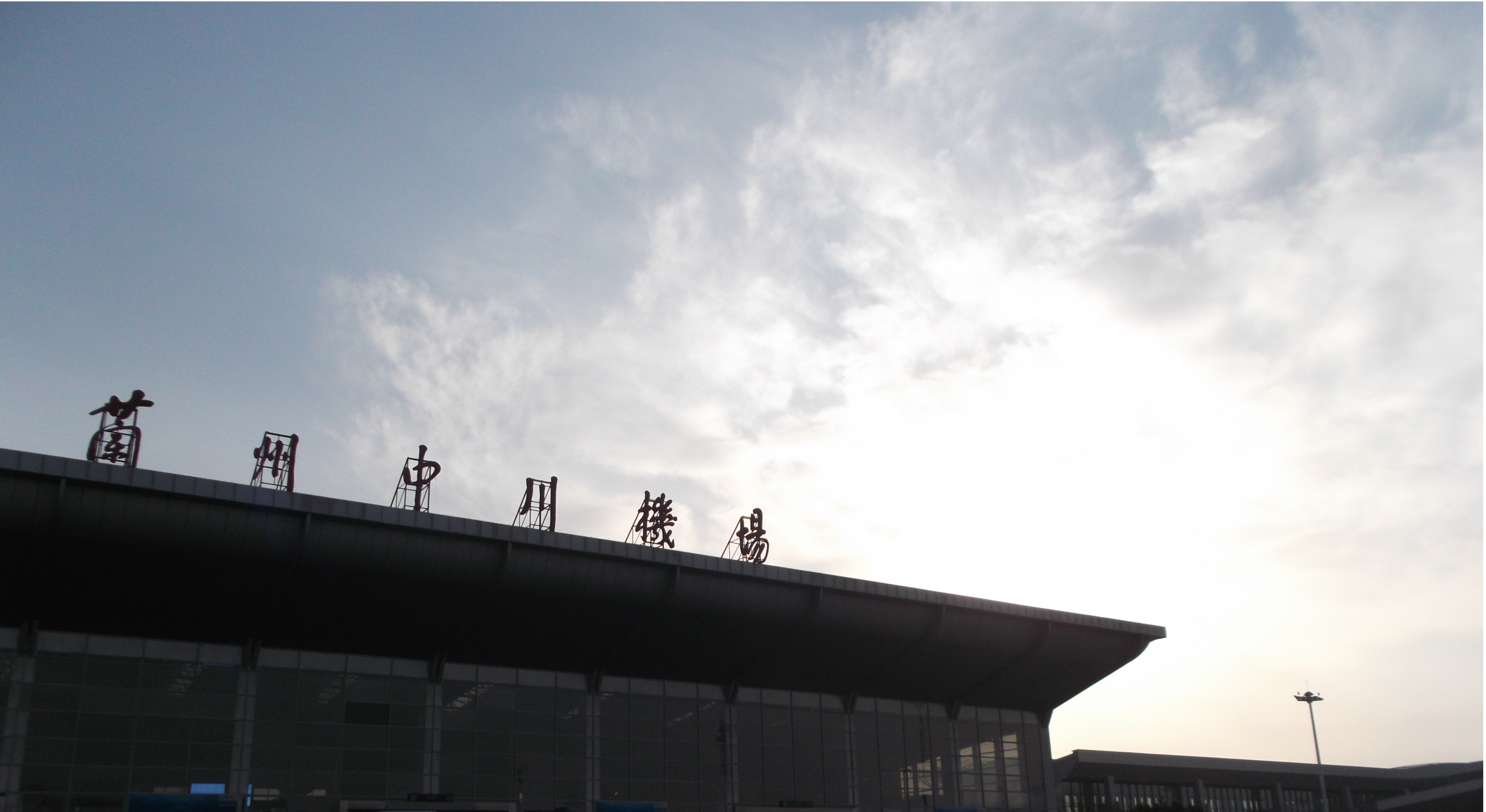
杨丕源 Yang Piyuan flew to Lanzhou, the capital of Gansu. At the
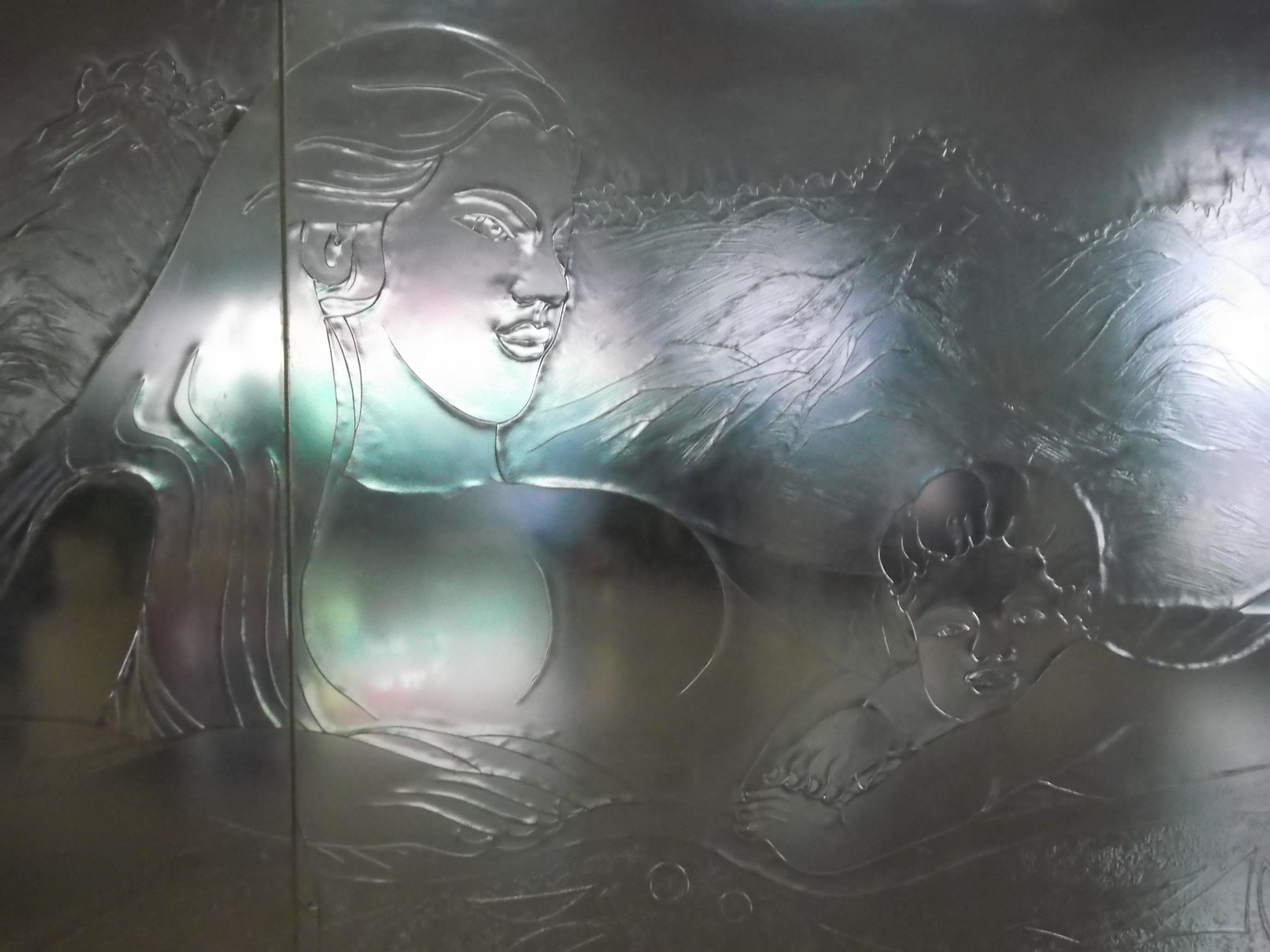
Lanzhou Zhongchuan Airport, he noticed a striking mother and child
design (see photo in the slides above).
As Lanzhou lies on the Yellow River (Huanghe), the design is deeply symbolic: The mother represents the Yellow River, giving birth to and sustaining civilizations; the child embodies the people of Lanzhou and Gansu, nurtured by the river’s waters, history, and spirit.
From the airport, he took the bus to Wuwei. (He planned to spend more time exploring Lanzhou on his return journey to Xi'an.)
Stage 2: The Hexi Corridor
Route: Lanzhou → Wuwei → Zhangye → Jiayuguan → Dunhuang
Geography: The narrow, oasis-fed passage west of the Yellow River, between the Tibetan Plateau and the deserts.
Purpose: The only safe and fertile passage through otherwise impassable terrain, controlled for centuries by Chinese dynasties to secure the trade route.
As Lanzhou lies on the Yellow River (Huanghe), the design is deeply symbolic: The mother represents the Yellow River, giving birth to and sustaining civilizations; the child embodies the people of Lanzhou and Gansu, nurtured by the river’s waters, history, and spirit.
From the airport, he took the bus to Wuwei. (He planned to spend more time exploring Lanzhou on his return journey to Xi'an.)
Stage 2: The Hexi Corridor
Route: Lanzhou → Wuwei → Zhangye → Jiayuguan → Dunhuang
Geography: The narrow, oasis-fed passage west of the Yellow River, between the Tibetan Plateau and the deserts.
Purpose: The only safe and fertile passage through otherwise impassable terrain, controlled for centuries by Chinese dynasties to secure the trade route.
 In 甘肃 Gansu 杨丕源 Yang
Piyuan visited visited
In 甘肃 Gansu 杨丕源 Yang
Piyuan visited visited
这是杨丕源第五次来到中国,他此行探访了云南。
许多人认为“云南”这个名字本身就富有诗意,常被亲切地译为“彩云之南”。
云南位于中国西南边陲,是一片充满强烈反差与交汇之地。它与缅甸、老挝和越南接壤,是中国通往东南亚的门户。从北部横断山脉的皑
皑雪峰,到南部西双版纳的热带雨林,云南的地势落差超过3000米。湄公河、萨尔温江和长江(Changjiang)穿行其间,
深切出壮丽的峡谷。
点击地图可查看标注区域的名称。
杨丕源抵达了昆明长水国际机场。该机场于公元2012年启用。
此次行程中,他的体验包括以下内容。点击各项可展开详情。


