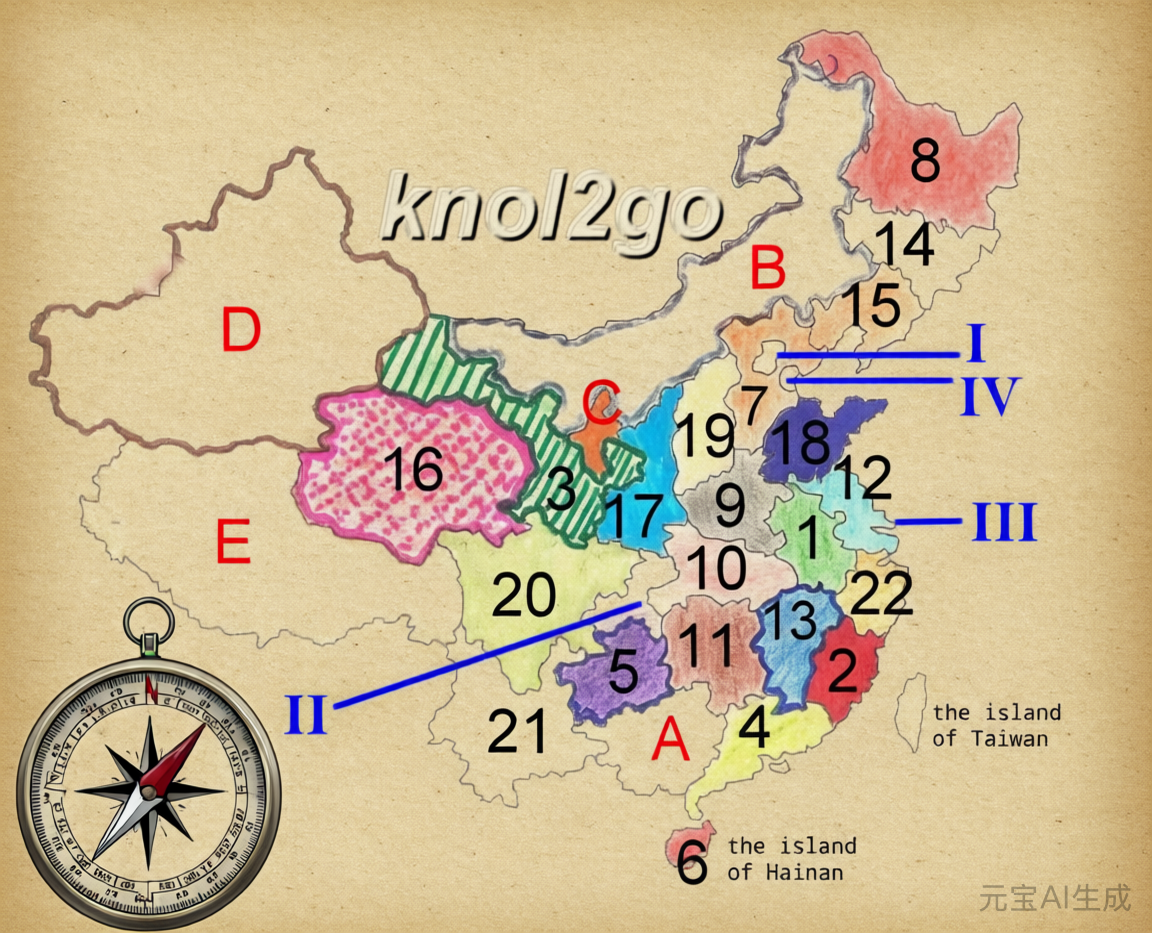
Heilongjiang is the "head and neck" of the country (often
compared to a rooster), but the province itself is famously
described as a swan poised to fly:
The Body/Wings: The broad northern and eastern reaches of the
province (bordering Russia) form the back and wings of the swan.
The Neck: The western "arm" of the province (near Qiqihar and the
Inner Mongolia border) forms the swan’s long, elegant neck.
The "Pearl": This is where Harbin comes in. Because Harbin is
located in the southern-central part of the province, right at the
base of that "neck" section, it is officially nicknamed the "Pearl
beneath the Swan’s Neck."
The Songhua River is often described with its own set of
metaphors: It is frequently called the "Mother River" of Harbin.
Architecturally and poetically, it is described as a "Colorful
Belt" or a "Silver Ribbon" that winds through the city. While the
river has many curves, the "Swan" title is a point of provincial
pride specifically regarding the land's shape on the map.
Cultural Context: The swan is a very important symbol in the
region. Since Heilongjiang is home to many wetlands (like the
Zhalong Nature Reserve), it is a major breeding ground for real
migratory birds, including swans and cranes. This natural reality
reinforced the map-based nickname over time.
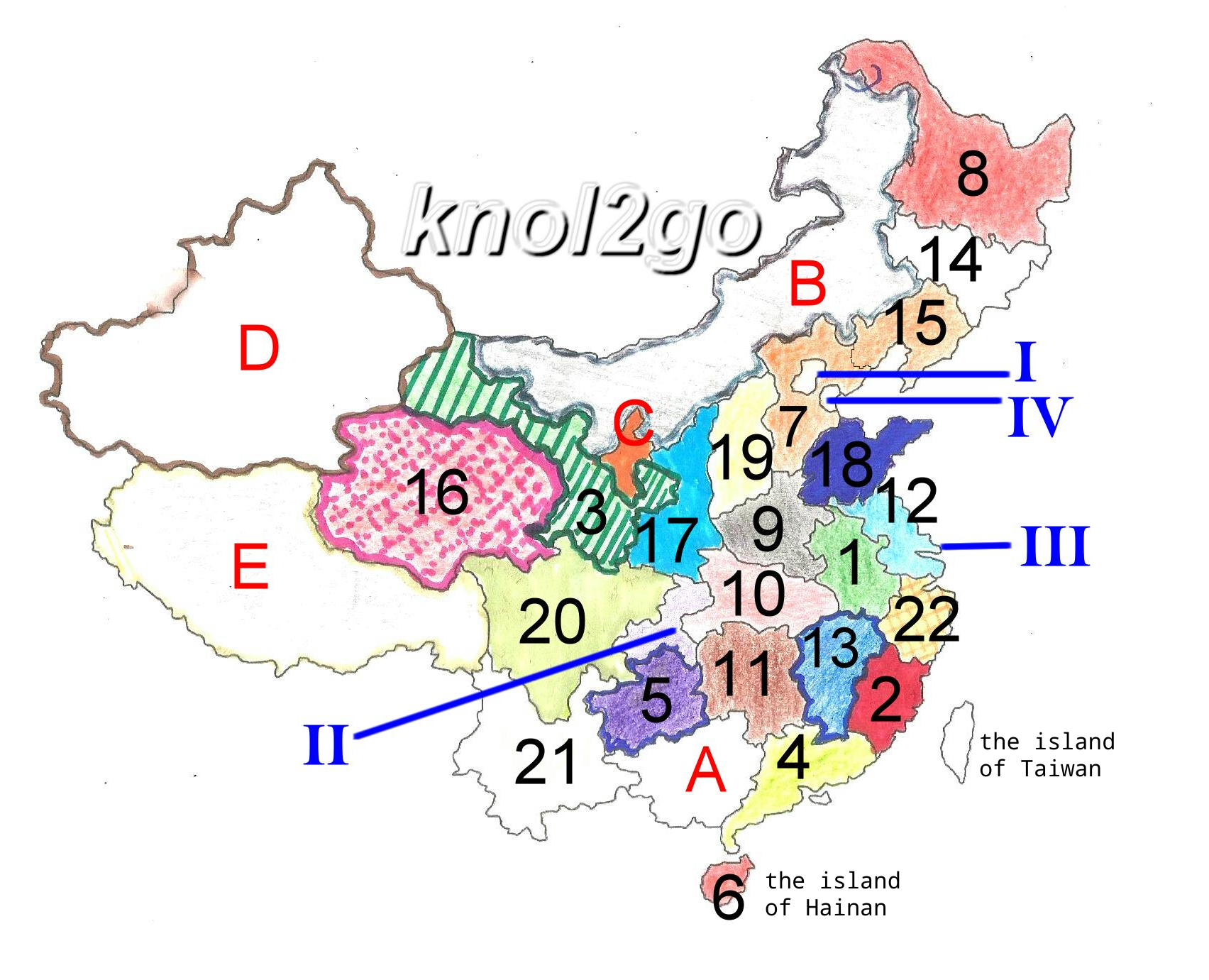
杨丕源第25次访华的重点是沿海火车之旅以及海南岛周边地区。 在地图上,海南被标记为第6号。