

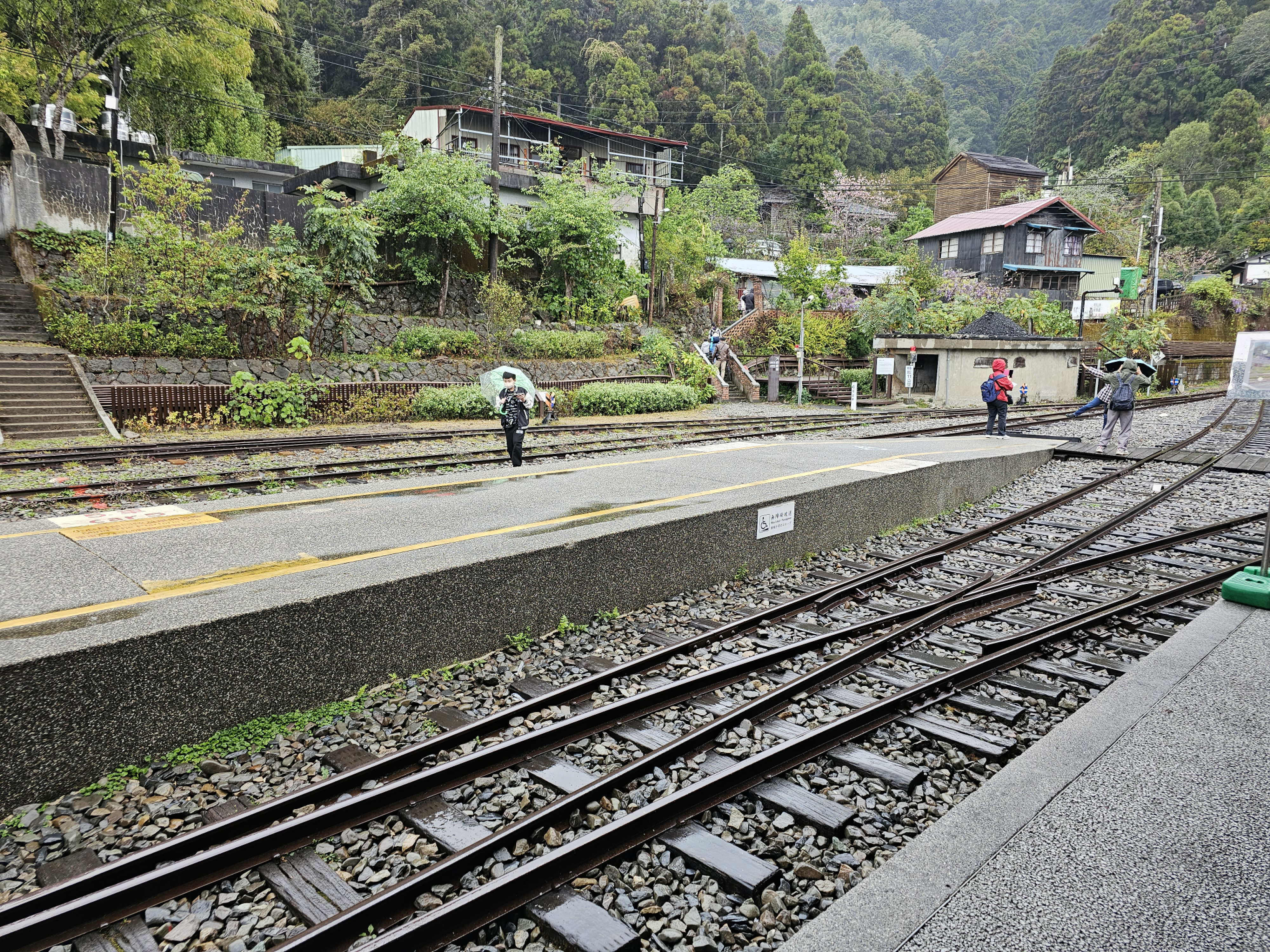
The train from Chiayi stopped at the mid-point station
of Fenchihu. Here 杨丕源 Yang Piyuan would spend the night and enjoy
what Fenchihu offered as a popular tourist attraction.
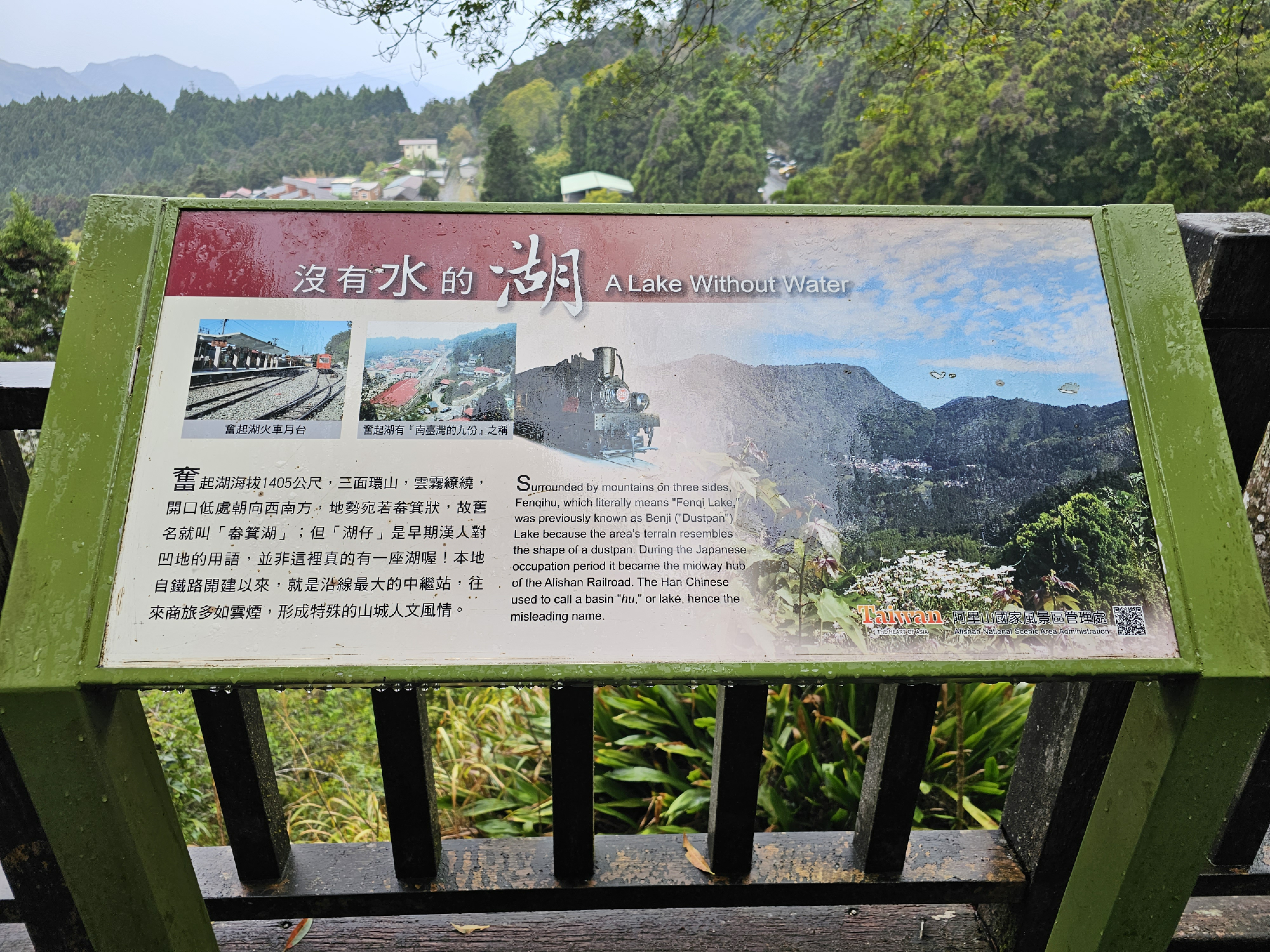
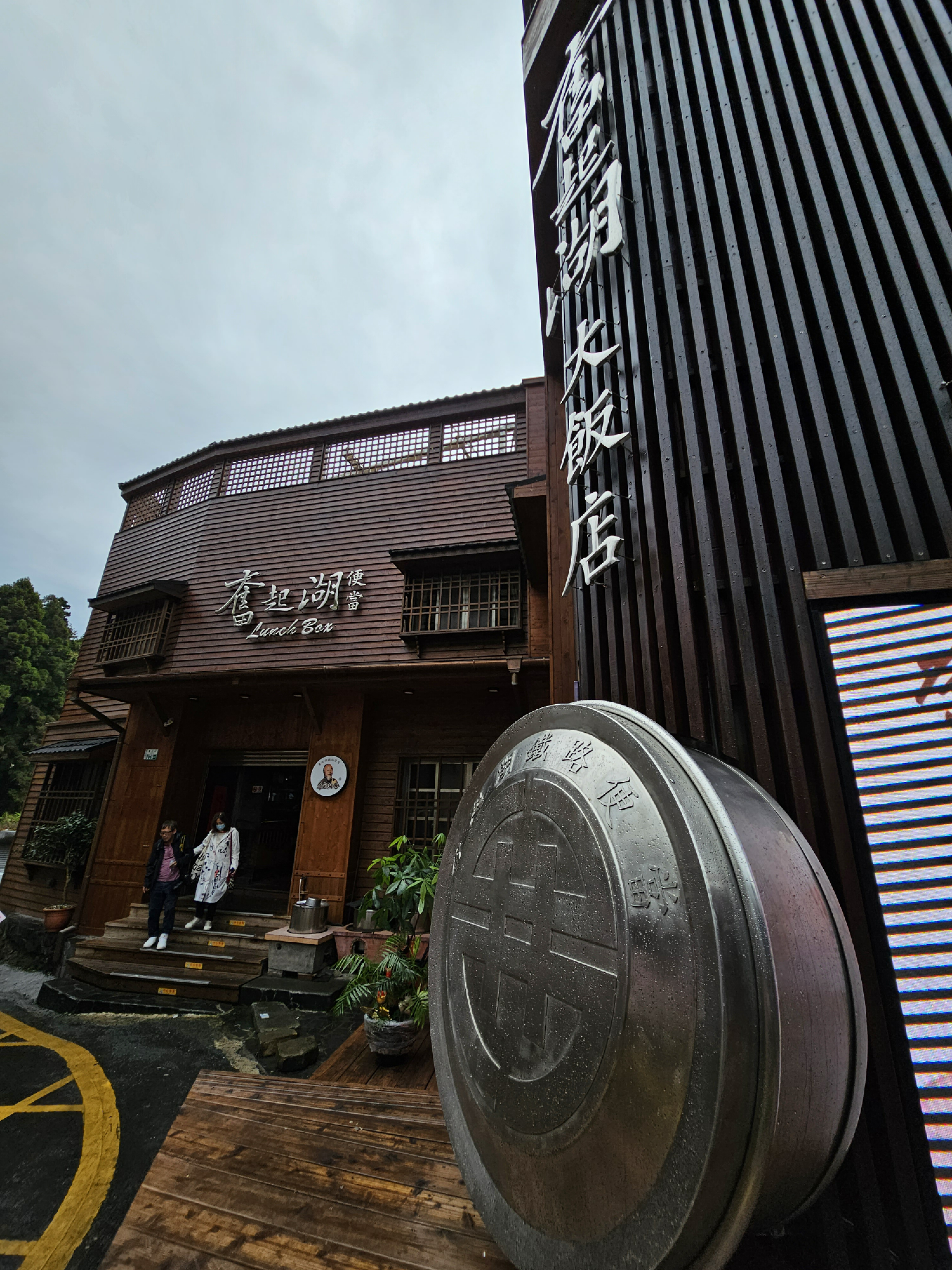
The name "Fenqi Lake" is somewhat misleading. Fenqi means "rising with energy or vigour". This could very well refer to the steam coming out of the locomotives trains climbing up the mountains. "hu" means "lake," but there were no large body of water. Thus, it's believed to refer to the natural bowl-shaped depression the town sits in, which often collected mist resembling a lake.
Fenchihu is rich in history due to the hunger for cypress and cedar logs during the Japanese colonisation of the island of Taiwan.
The history of Fenchihu is deeply intertwined with both Chiayi and Alishan, mainly through the development of the Alishan Forest Railway.
Fenchihu with an elevation of about 1,400m was the most important mid-point station on the Alishan Forest Railway. Its location made it the natural spot for trains to stop, take on water, change crews, and allow passengers to rest and eat before continuing the steep ascent to Alishan or descent to Chiayi.
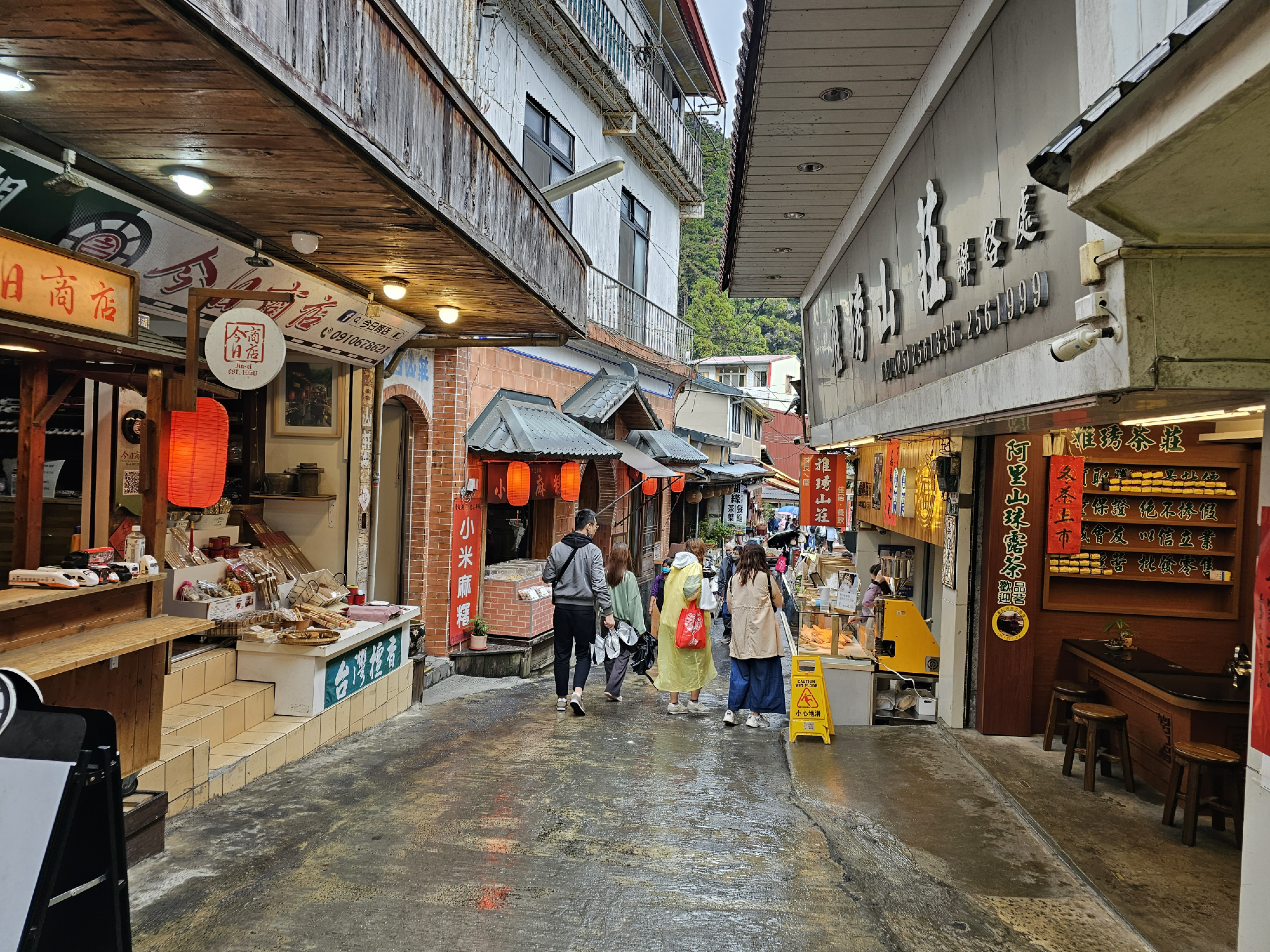
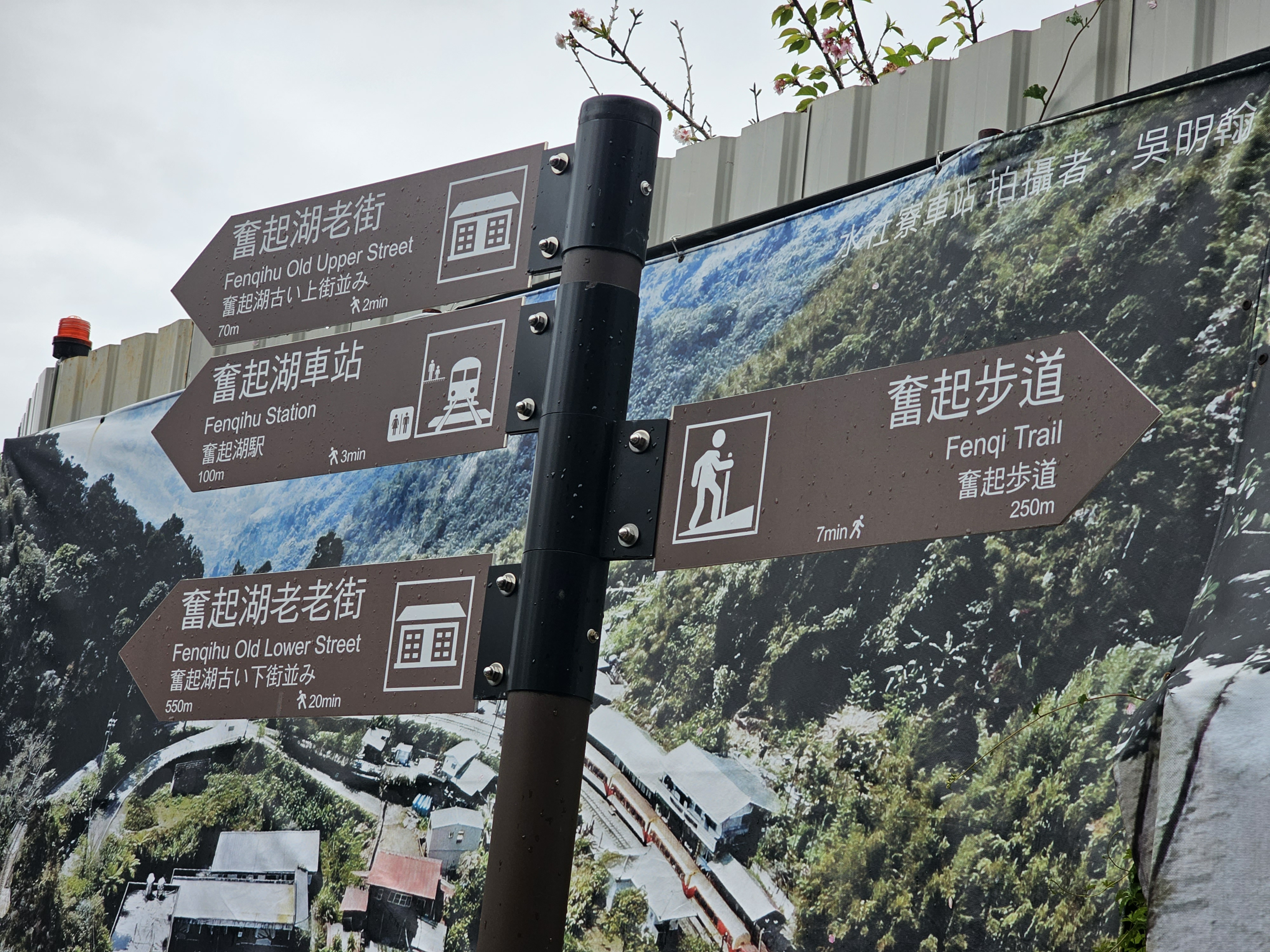
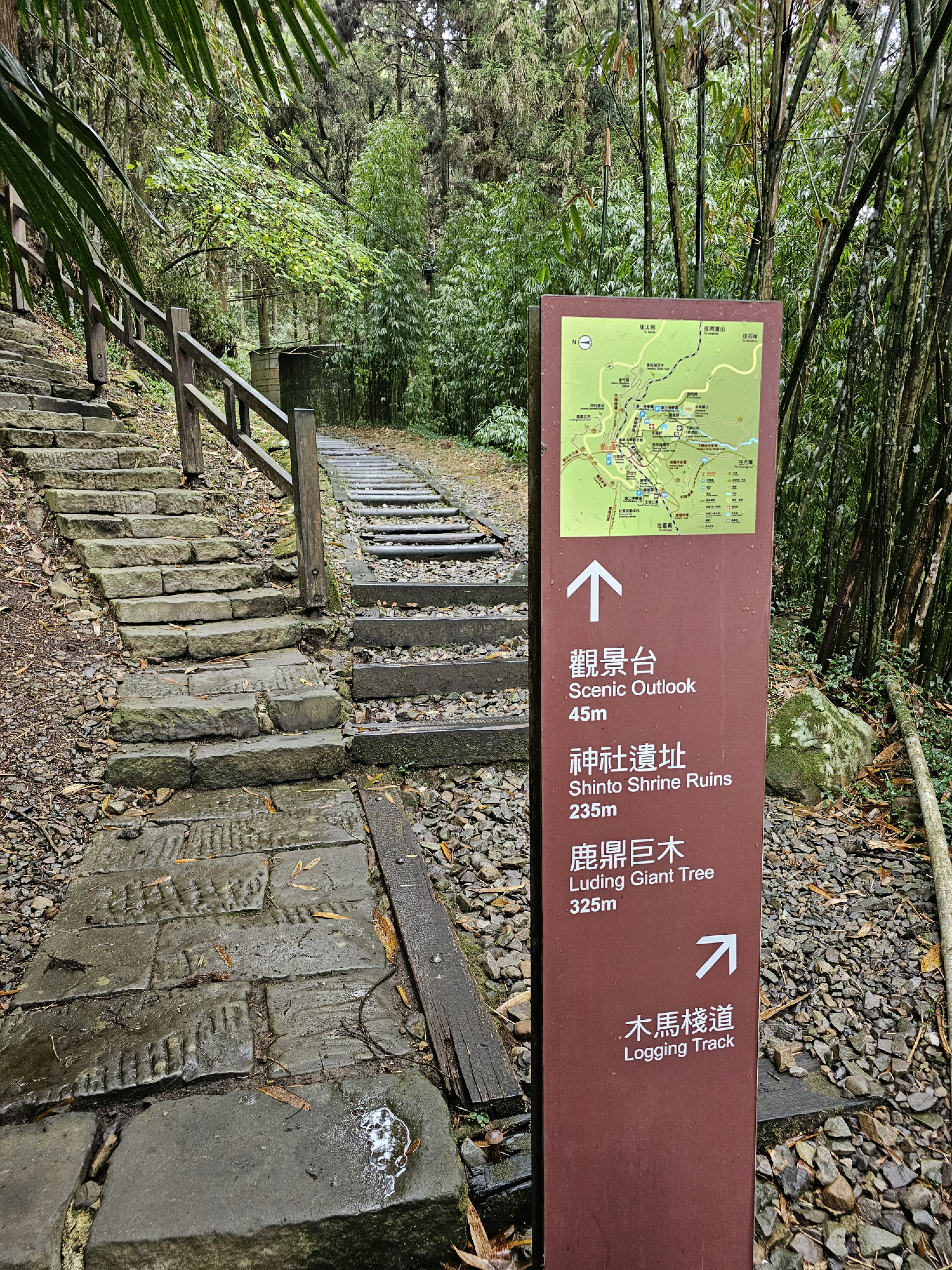
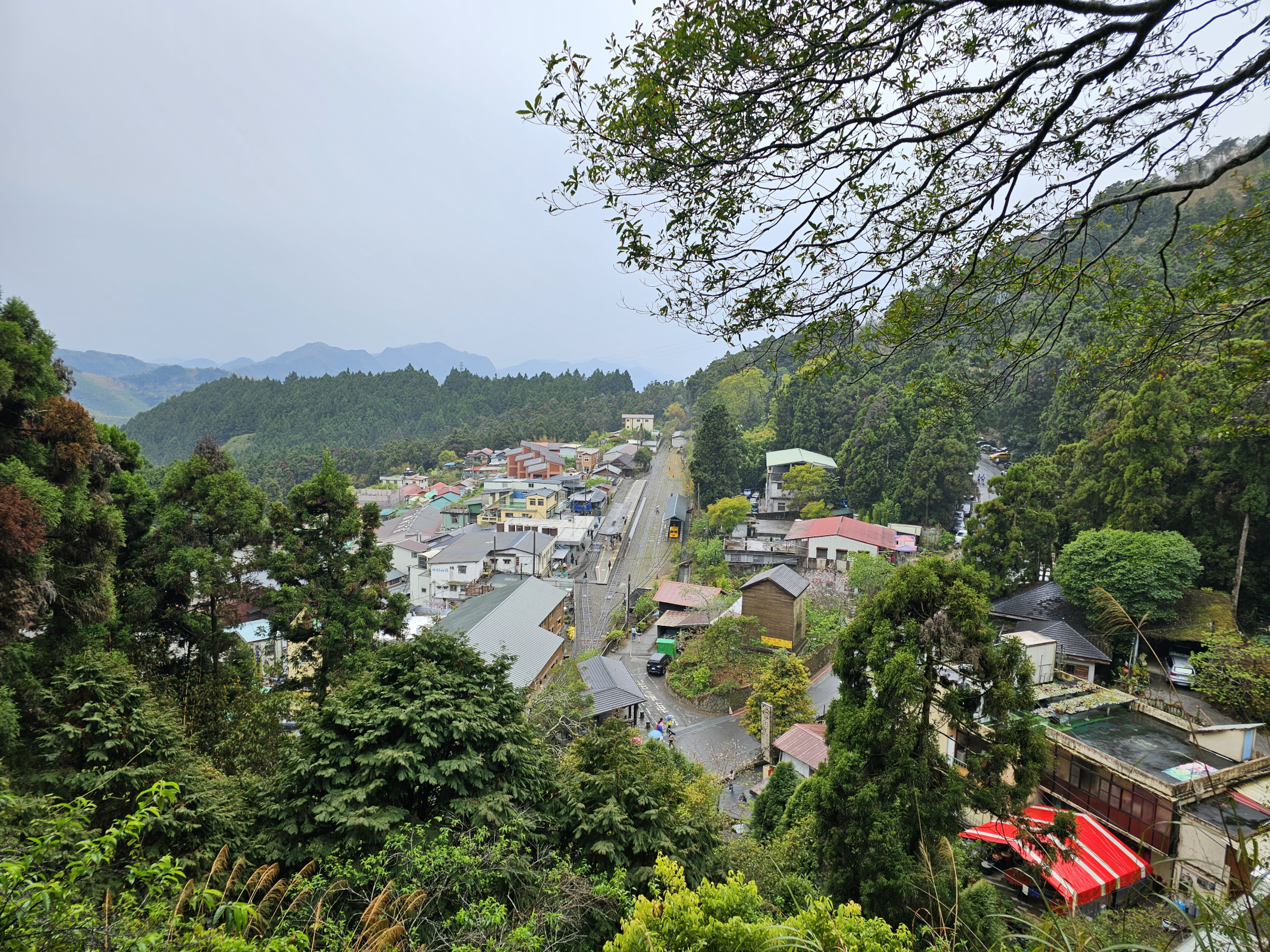
After checking in for a night in one of the inns Fenchihu, 杨丕源 Yang Piyuan explored the area and was rewarded with scenic view when he climbed a small hill.
The name "Fenqi Lake" is somewhat misleading. Fenqi means "rising with energy or vigour". This could very well refer to the steam coming out of the locomotives trains climbing up the mountains. "hu" means "lake," but there were no large body of water. Thus, it's believed to refer to the natural bowl-shaped depression the town sits in, which often collected mist resembling a lake.
Fenchihu is rich in history due to the hunger for cypress and cedar logs during the Japanese colonisation of the island of Taiwan.
The history of Fenchihu is deeply intertwined with both Chiayi and Alishan, mainly through the development of the Alishan Forest Railway.
Fenchihu with an elevation of about 1,400m was the most important mid-point station on the Alishan Forest Railway. Its location made it the natural spot for trains to stop, take on water, change crews, and allow passengers to rest and eat before continuing the steep ascent to Alishan or descent to Chiayi.
After checking in for a night in one of the inns Fenchihu, 杨丕源 Yang Piyuan explored the area and was rewarded with scenic view when he climbed a small hill.
阿里山森林铁路的列车从嘉义出发,停靠中途站奋起湖。杨丕源将在此留宿一夜,体验这座
热门山城小镇的风情。
“奋起湖”的名字容易引人遐想。“奋起”意指振作、充满活力地兴起——很可能是指昔日蒸汽火车穿行爬山时喷发的蓬勃 烟气。“湖”字却名不副实,此地并无大片水域;一般认为是指小镇坐落的天然碗状洼地,常年云雾缭绕,宛如湖泊。
奋起湖的历史与日治时期对台湾桧木、杉木的掠夺式开发紧密相连。它的命运,也与嘉义、阿里山一道,深深烙印在阿里山 森林铁路的发展轨迹中。
海拔约1400米的奋起湖,曾是阿里山森林铁路上最重要的中途站。因其地理位置,这里自然成为列车停留、补给用水、 更换车组人员的中继点,乘客也可在此休息用餐,再继续陡峭的上山之路前往阿里山,或下行返回嘉义。
在奋起湖的旅店安顿下来后,杨丕源信步探访周边。他登上附近一座小山,一片秀丽的山林景致豁然展现于眼前。
“奋起湖”的名字容易引人遐想。“奋起”意指振作、充满活力地兴起——很可能是指昔日蒸汽火车穿行爬山时喷发的蓬勃 烟气。“湖”字却名不副实,此地并无大片水域;一般认为是指小镇坐落的天然碗状洼地,常年云雾缭绕,宛如湖泊。
奋起湖的历史与日治时期对台湾桧木、杉木的掠夺式开发紧密相连。它的命运,也与嘉义、阿里山一道,深深烙印在阿里山 森林铁路的发展轨迹中。
海拔约1400米的奋起湖,曾是阿里山森林铁路上最重要的中途站。因其地理位置,这里自然成为列车停留、补给用水、 更换车组人员的中继点,乘客也可在此休息用餐,再继续陡峭的上山之路前往阿里山,或下行返回嘉义。
在奋起湖的旅店安顿下来后,杨丕源信步探访周边。他登上附近一座小山,一片秀丽的山林景致豁然展现于眼前。


